Noticed more dark spots after summer? They often become easier to see when a tan begins to fade. Perhaps it is a cluster of freckle-like marks across the cheeks, a darker patch above the lip or the stubborn reminder of a breakout that disappeared weeks ago.
Pigmentation can feel complicated because there is no single product that suits every mark. A serum chosen for post-acne discolouration may not be the right answer for melasma, while the most expensive treatment will struggle to make progress if daily sun protection is missing.
The good news is that your routine does not need to become a chemistry experiment. In most cases, the best skincare for pigmentation comes down to three things: protect the skin every morning, choose one targeted treatment and give it time to work.
Here is how to build a routine that feels realistic, effective and easy to live with.
The short answer: Start with a broad-spectrum SPF 30 or 50. Add one well-formulated serum containing vitamin C, tranexamic acid, niacinamide or arbutin. If your skin tolerates vitamin A, a slowly introduced retinal can support more even-looking tone and texture over time.
Before buying a serum, work out what you are treating
“Pigmentation” is a useful search term, but it covers several different skin concerns. Knowing which one looks most like yours will make choosing a product much easier.
Brown marks left after spots
These are usually called post-inflammatory hyperpigmentation, or PIH. They can remain after a blemish, rash, scratch or other irritation has healed. They may linger for longer when spots are picked or when the skin is repeatedly over-exfoliated.
Look for ingredients such as tranexamic acid, niacinamide, vitamin C or a carefully introduced retinoid. If fresh breakouts keep appearing, treating the acne itself matters too. Otherwise, you may fade one mark while another is forming.
Sun spots and a generally uneven tone
UV exposure can deepen existing pigment and contribute to new sun spots over time. This is why the complexion can look more uneven at the end of summer, even if there was no obvious sunburn.
Daily SPF is the most important step here. An antioxidant vitamin C serum can be a smart morning partner, while a targeted dark-spot serum can offer more focused support.
Symmetrical or recurring patches
Melasma often appears in matching patches across the cheeks, forehead or upper lip. Hormones, pregnancy, some medicines, UV, visible light and heat may all be involved. It can fade and return, so it usually needs a long-term plan rather than a short product challenge.
If you think you have melasma, professional advice is worthwhile. It helps to confirm what you are treating before investing in a routine.
Red, pink or purple post-acne marks
Not every mark left after a spot is brown pigment. Flat red, pink or purple areas can be post-inflammatory erythema, which is linked to visible blood vessels rather than excess melanin. A brightening serum may still support the overall look of the skin, but it may not be the whole answer.
Any mark that is new, changing, irregular, raised, itchy or bleeding should be assessed by a GP or dermatologist rather than treated as cosmetic pigmentation.
Best cleanser for pigmentation
Best brightening cleanser
Image Skincare Iluma Brightening Exfoliating Cleanser

A cleanser cannot do all the corrective work, but the right one can help dull, uneven skin look fresher. Image Skincare Iluma Brightening Exfoliating Cleanser is our pick for skin that enjoys gentle exfoliating support.
If you are also using retinal or another active, avoid assuming an exfoliating cleanser must be used twice a day. Alternate it with a gentle cleanser if the skin begins to feel tight or sensitive. You can explore more options in our guide to the best cleanser for pigmentation.
Shop the cleanser
Best vitamin C serums for pigmentation
Vitamin C fits naturally beneath moisturiser and SPF. Choose by skin type, texture and experience, not by the most impressive-looking percentage.
Best premium option for normal or dry skin
SkinCeuticals C E Ferulic

SkinCeuticals C E Ferulic combines 15% pure L-ascorbic acid with vitamin E and ferulic acid. It suits uneven tone accompanied by dryness, fine lines or visible sun exposure.
Choose it if: you want a premium daily antioxidant that addresses more than dark spots alone.
Shop C E Ferulic
Best for oily or combination skin
SkinCeuticals Phloretin CF Gel

SkinCeuticals Phloretin CF Gel combines 10% L-ascorbic acid with phloretin and ferulic acid in a lightweight gel that layers neatly beneath SPF.
Choose it if: you want pure vitamin C without a richer serum feel.
Shop Phloretin CF Gel
Best stable vitamin C derivative
Medik8 C-Tetra Advanced

Medik8 C-Tetra Advanced uses 20% tetrahexyldecyl ascorbate, supported by N-acetyl glucosamine, hyaluronic acid and squalane for a brightening but comfortable feel.
Choose it if: you want radiance and hydration in one step, or have not enjoyed traditional pure vitamin C formulas.
View C-Tetra Advanced
Best first pure vitamin C
Obagi Professional-C 10% Serum

Obagi Professional-C 10% Serum contains 10% L-ascorbic acid, making it an approachable introduction to pure vitamin C.
Start every other morning if your skin is easily unsettled, then increase as it adjusts. For more guidance, read our full article on vitamin C for skin in Ireland.
Shop Professional-C 10%
Best serums for stubborn dark spots
Best overall targeted serum
SkinCeuticals Discoloration Defense
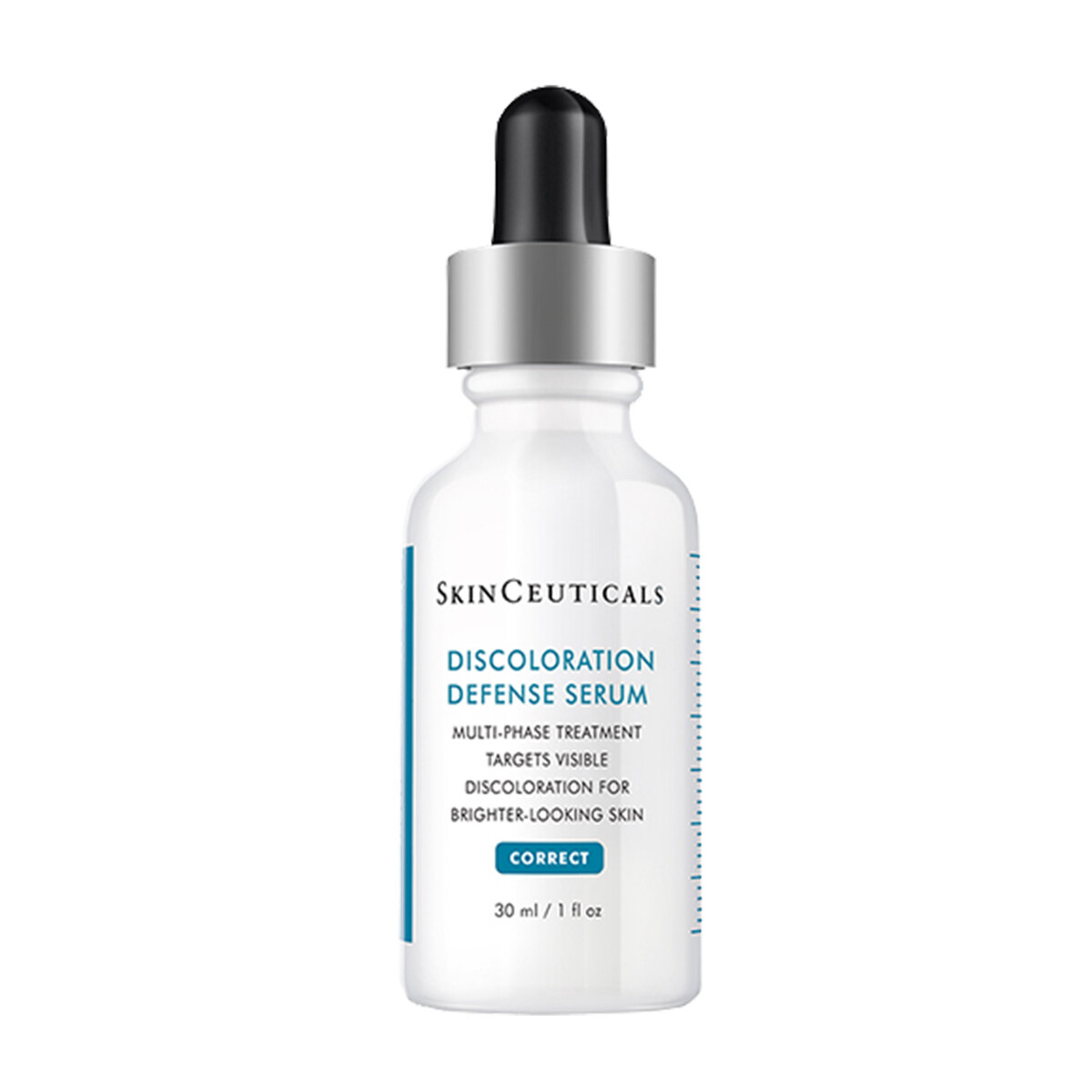
If pigmentation is the main reason you are shopping, SkinCeuticals Discoloration Defense Serum is our best overall targeted pick.
It combines 1.8% tranexamic acid, 5% niacinamide and 5% HEPES for brown patches, post-blemish marks and uneven tone. The light texture layers easily beneath sunscreen.
Choose it if: you want one dedicated corrective serum rather than a general glow product.
Shop Discoloration Defense
Best value
Anua Niacinamide 10% + TXA 4% Serum

Anua Niacinamide 10% + TXA 4% Serum pairs 10% niacinamide with 4% tranexamic acid in a lightweight formula. It is a smart choice for post-acne pigmentation, dark spots and blemish-prone skin.
High-strength niacinamide does not suit everyone, so introduce it gradually and reduce use if flushing, dryness or irritation appears.
Choose it if: you want a focused, accessible serum for both uneven tone and post-breakout skin.
Shop Anua TXA Serum
Best gentle glow option
Beauty of Joseon Glow Serum

Beauty of Joseon Glow Serum combines 2% niacinamide with propolis extract. It is gentler than a dedicated tranexamic acid treatment and suits skin seeking post-breakout comfort and radiance.
Choose it if: your skin needs supportive brightening and comfort rather than an intensive dark-spot treatment. Avoid propolis skincare if you are allergic to bee products.
Shop Glow Serum
Best for persistent dark patches
Obagi Nu-Derm 3 Clear Fx

Obagi Nu-Derm 3 Clear Fx is a hydroquinone-free brightening cream made with 7% arbutin. It is designed for persistent-looking sun spots, post-inflammatory pigmentation and broader areas of uneven tone.
Use a thin layer as directed and avoid surrounding it with several strong acids.
Choose it if: you want targeted arbutin support and are happy to follow a structured routine.
Shop Clear Fx
Best retinal for pigmentation and uneven texture
Best progressive retinal
Medik8 Crystal Retinal

When uneven colour comes with rough texture, fine lines or old post-acne marks, retinal can be a useful evening addition. Medik8 Crystal Retinal comes in progressive strengths, so beginners do not need to start at the top.
-
New to retinal: start with Crystal Retinal 1 or Crystal Retinal 3.
-
Used to a lower strength: consider Crystal Retinal 6.
-
Experienced vitamin A user: Crystal Retinal 10 is the advanced option.
Begin twice a week on dry skin and increase only when it remains comfortable. Topical retinoids should not be used during pregnancy. If you are breastfeeding or receiving medical care, ask your healthcare professional before use.
Our guide to what retinol does can help you choose the right starting point.
Explore retinol and retinal
Best moisturiser for dry, uneven skin
Best for dry or mature-looking skin
Image Skincare Iluma Intense Brightening Crème

Image Skincare Iluma Intense Brightening Crème is our moisturiser pick for dry, dull or mature-looking skin with visible uneven tone. Its rich night formula combines stabilised vitamin C and targeted brightening ingredients with nourishing plant oils. Oily or easily congested skin may prefer a lighter moisturiser.
Shop Iluma Brightening Crème
Best daily SPF for pigmentation
This is the category we would never skip. A brightening routine without sunscreen may be doing the right work, but it is not protecting the result.
Best pigmentation-focused SPF
SkinCeuticals Advanced Brightening UV Defense SPF 50

SkinCeuticals Advanced Brightening UV Defense SPF 50 combines broad-spectrum SPF 50 with 1% tranexamic acid and 2% niacinamide for high protection with extra support for uneven tone.
Choose it if: pigmentation is your main concern and you prefer a lightweight SPF with targeted skincare ingredients.
View Brightening SPF 50
Best moisturiser and SPF in one
The Skin Diary Age Defence Moisturising Day Cream

The Skin Diary Age Defence Moisturising Day Cream combines hydration with broad-spectrum SPF 50 PA++++. Its light, makeup-friendly finish suits anyone more likely to stay consistent with one polished morning product.
Use three to four pumps and apply generously. A multitasking product only gives its labelled sun protection when enough is used.
For practical advice, read why SPF needs to be reapplied and our guide to SPF for cloudy weather in Ireland.
Shop Age Defence Day Cream
A pigmentation routine you can actually keep up with
The goal is not to fit every recommended product onto one shelf. Choose one option from each step according to your skin.
Morning
-
Cleanse gently. If your skin is dry, a rinse with lukewarm water may be enough.
-
Use one brightening step. Choose a vitamin C serum or a targeted pigmentation serum. Experienced users may layer both, but beginners do not need to.
-
Moisturise if needed. Skip this step if your SPF is moisturising enough.
-
Apply SPF generously. Cover the face, neck and any other exposed areas.
If your products roll or pill beneath makeup, the answer is usually fewer layers, not less sunscreen.
Evening
-
Remove makeup and SPF. Double cleanse only when you need to.
-
Choose one treatment. Use your targeted pigmentation serum, or retinal on selected nights.
-
Finish with moisturiser. Keep the barrier comfortable and the routine easy to repeat.
A beginner-friendly week
| Evening |
Treatment |
| Monday |
Targeted pigmentation serum |
| Tuesday |
Moisturiser only |
| Wednesday |
Retinal |
| Thursday |
Moisturiser only |
| Friday |
Targeted pigmentation serum |
| Saturday |
Moisturiser only |
| Sunday |
Adjust according to how your skin feels |
There is no prize for the busiest bathroom shelf. Pigmentation usually responds better to a calm routine repeated for months than an aggressive one abandoned after ten days.
How long does pigmentation skincare take to work?
Give a new routine at least eight to twelve weeks before deciding whether it is helping. Post-acne marks can take several months to soften. Sun spots and melasma may be slower and often need ongoing maintenance.
A monthly photograph is more useful than checking the mirror every morning. Take it in the same place, in similar light and without makeup. Small changes are much easier to notice when the images sit side by side.
Also consider whether new pigmentation is still being triggered. No serum can comfortably outpace frequent unprotected sun exposure, ongoing breakouts, picking or irritation. If there is no visible progress after around three months of consistent use and good sun protection, seek professional advice before automatically buying a stronger formula.
Five mistakes that can slow your progress
-
1. Saving SPF for sunny daysUV can still affect the skin when the Irish sky looks grey.
-
2. Using too little sunscreenA token amount will not provide the protection stated on the bottle.
-
3. Starting every active at onceIf irritation appears, you will not know which product caused it.
-
4. Scrubbing dark marksPigment is not dirt, and harsh exfoliation can make post-inflammatory marks more difficult to manage.
-
5. Changing the routine too quicklyPigmentation needs time. Consistency is usually more valuable than constant novelty


